When it comes to opening a retail store, there are several important things that you need to consider, from location and pricing to marketing and staffing. However, one crucial aspect that can make a huge difference in the success of your store is how you display your merchandise. Store fixtures & displays are key elements in creating an attractive, functional, and effective retail environment.
Store displays refer to the various elements that showcase your merchandise to your customers. These can range from simple shelves and tables to more elaborate displays, such as mannequins, signage, and lighting. Retail fixtures, on the other hand, are the structures that hold and support your displays, such as shelving units, racks, and hangers. Together, store displays and retail fixtures can make your merchandise stand out, draw in customers, and boost your sales.
Here’s a practical checklist for setting up a store that’s easy to shop and easy to run, from the floor plan to the billing counter.
1. Plan your store layout carefully
Before you start selecting your store displays and fixtures, you need to have a clear plan for your store layout. Think about how you want your customers to navigate through your store, what merchandise you want to highlight, and how you want to group your products. Your store layout should be intuitive, easy to navigate, and visually appealing.
2. Choose store displays that fit your brand and merchandise
Your store displays should reflect your brand identity and the type of merchandise you are selling. For example, if you are selling high-end fashion, you may want to invest in elegant and sophisticated displays, such as glass showcases and mannequins. If you are selling toys or books, you may want to use colorful and playful displays that appeal to children.
3. Select retail fixtures that are functional and durable
When selecting your retail fixtures, you need to consider both form and function. Your fixtures should be sturdy, durable, and able to support the weight of your merchandise. They should also be easy to install and adjust. Look for fixtures that are versatile and can be used for different types of merchandise.
4. Use lighting to enhance your displays
Lighting is a crucial element in creating an effective store display. It can highlight your merchandise, create a mood, and draw attention to key areas of your store. Use a combination of natural and artificial light to create a balanced and inviting atmosphere.
5. Pay attention to details
The little details can make a big difference in the overall look and feel of your store. Make sure your displays are clean, organized, and visually appealing. Use props and accessories to add interest and variety. Keep your displays updated and fresh, and change them regularly to keep customers engaged.
6. Plan shelving and storage together
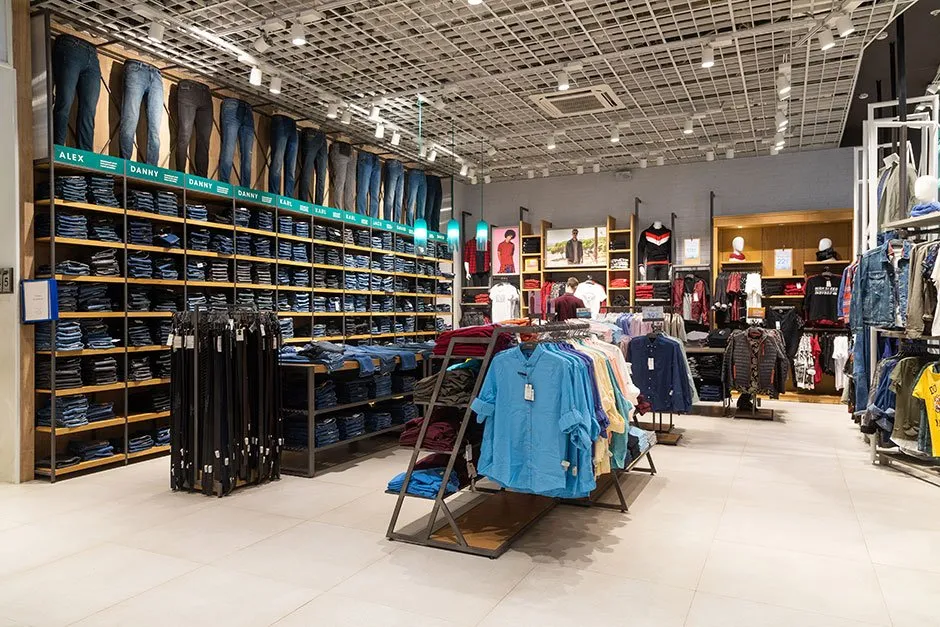
Shelving decides how much you can show and how quickly you can restock. Gondola units work for aisles of packaged goods, wall-mounted slatwall suits accessories and hanging stock, and wire racks are easy to clean for fresh produce. Keep a little storage close to the shop floor so refilling a shelf doesn’t mean a trip to the back room.
7. Make signage do some of the selling
Good signs answer questions before customers have to ask. Use one clear sign outside that says what you sell, simple aisle or section signs inside, and price and offer cards at eye level. Keep the wording short and the prices up to date: an old price on a shelf costs you trust at the counter.
8. Get packaging and labels right
Packaging protects products and carries your name home with the customer. If you pack loose items yourself, label them with the item, weight or quantity, price and date, so billing is quick and there are no arguments about what’s inside.
9. Protect your stock and your people
Simple measures prevent most losses: a camera covering the counter and entrance, high-value items close to the billing area, and a clear routine for opening, closing and counting cash. Count fast-moving stock regularly so small gaps show up before they become big ones.
10. Train your team before day one
Your first customers judge the store by the person at the counter. Walk your team through billing, returns, offers and where everything is kept before you open. A short checklist for opening and closing the shop saves a lot of confusion in the first weeks.
11. Set up billing, stock and online orders from the start
It’s much easier to start with the right system than to switch later. With Magicwant’s retail POS, you bill, take UPI and sell online through your own store from one app, at ₹450 a month per shop with no setup fee. Add Retail & Inventory (₹75 a month) to scan barcodes with your phone and track stock.
Get these right and your store is easier to shop, easier to run and ready to grow beyond its shutter.