If you want to know how to start a cloud kitchen in India, here’s the short answer. Register your food business with FSSAI, check whether you need GST, set up a small kitchen, and test one tight menu before you spend on anything else. A sensible plan runs 90 days from idea to steady orders. Do the break-even sum first, because that one number tells you whether the idea works.
What is a cloud kitchen, and is it right for you?
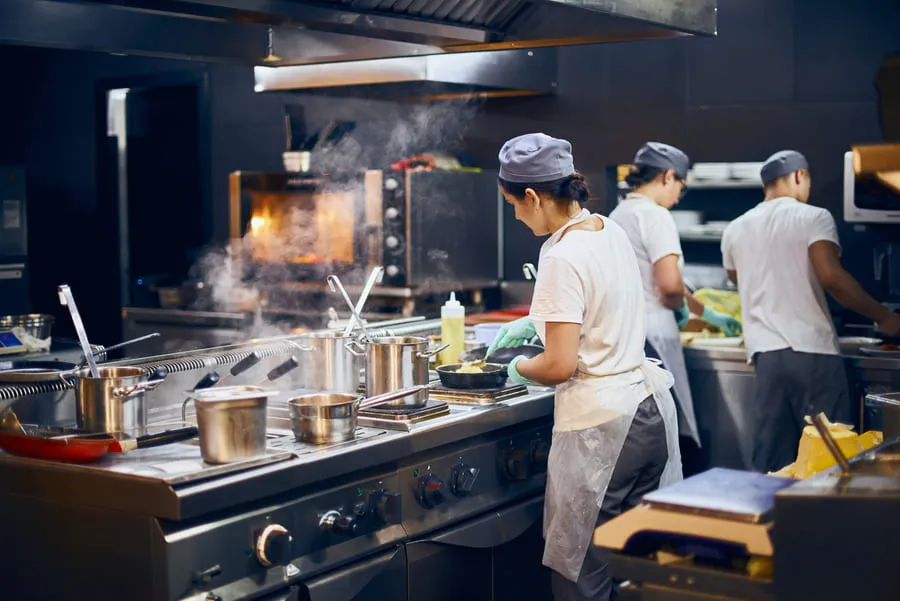
A cloud kitchen cooks for delivery and takeaway only. No tables, no waiters, no high street rent. That keeps your costs low. But it also means nobody walks past and smells your food. Every single order has to find you first.
So ask yourself one honest question. Can you win customers online, week after week? If yes, read on.
How to start a cloud kitchen: which licences do you need?
Rules change, and they differ by state. Treat this as a checklist of questions, then confirm each answer with the official source or a CA. Everything below is as of November 2026.
FSSAI
Every food business needs FSSAI approval, and that includes a cloud kitchen. FSSAI’s published criteria for restaurants list registration at ₹100 a year for turnover up to ₹1.5 crore, a State licence at ₹5,000 above that up to ₹50 crore, and a Central licence at ₹7,500 above ₹50 crore. FSSAI revised its thresholds in March 2026. Its list doesn’t name cloud kitchens, so ask your state food safety office which category applies. Then start your FSSAI registration for cloud kitchen on the FoSCoS portal.
GST
You must register once your turnover crosses the threshold. Under Section 22 of the CGST Act, that’s ₹20 lakh for most service businesses, and ₹10 lakh in some special category states. Selling through online platforms can bring its own rules. So sort out GST for cloud kitchen with a CA before your first invoice.
Local permits
Your city may also ask for a trade licence, a shop and establishment registration or a fire safety check. These vary widely. Ask your municipal office before you sign a lease, not after. Getting every cloud kitchen licence in place early saves you a nasty surprise on launch week.
How much does a cloud kitchen cost to start?
Your costs depend on your city, your menu and your rent. So don’t copy someone else’s number. Run your own sum. Here’s an illustrative one, with made-up figures, to show you how.
Say your average order is ₹350. Ingredients and packaging take ₹140 of that. You keep ₹210 per order to pay for everything else. Now add your monthly fixed costs:
| Illustrative monthly cost | Amount |
|---|---|
| Kitchen rent | ₹30,000 |
| Two cooks | ₹40,000 |
| Gas and power | ₹12,000 |
| Everything else | ₹8,000 |
| Total | ₹90,000 |
Divide ₹90,000 by ₹210 and you get about 429 orders a month. That’s roughly 14 orders a day just to break even. Your real numbers will differ, but the method holds. Write yours down. This is the core of any honest cloud kitchen cost in India estimate.
One-off costs matter too: equipment, packaging stock and branding. Get written quotes before you commit.
What do your first 90 days look like?
Days 1 to 30: paperwork and kitchen
Apply for your FSSAI registration, ask about local permits and fit out the kitchen. Fix your menu at 8 to 12 dishes. A short menu means less waste, faster cooking and fewer mistakes.
Days 31 to 60: soft launch
Cook for friends, neighbours and one or two delivery apps. Watch what comes back. Which dish arrives cold? Which packaging leaks? Fix it now, while the orders are small.
Days 61 to 90: win orders you keep
Delivery apps bring you strangers, and they charge you for it. Check your contract for the exact rates. Meanwhile, start building a list of your own customers. Put a QR code on every bag. Share a WhatsApp ordering link. Offer a small thank-you for a second order. To see how aggregator middleware differs from running your own ordering channel, read Magicwant vs UrbanPiper.
Picture a cook in Koramangala who sends every first-time customer a WhatsApp link to reorder. Within a few weeks, her repeat orders stop depending on any app’s algorithm. That’s the shift you’re building towards.
Which tools do you actually need?
A billing and ordering system that runs on the phone you already own. Magicwant’s restaurant POS costs ₹450 a month per shop, GST included, with the first month free and no setup fee. Orders from your own channels carry no commission, and you can keep your app listings running alongside. For own delivery, use your own riders or Magicwant’s delivery partners, with an OTP at pickup and at the door. See how delivery chaos gets tamed once orders sit in one place.
FAQ
Can I run a cloud kitchen from my home?
FSSAI rules apply to food made at home too. Local rules and building rules vary, so check with your food safety office and your housing society first.
How much money do I need to start?
It depends on your city and menu. Use the break-even sum above with your own rent, wages and prices, and get quotes for equipment.
Is a cloud kitchen better than a restaurant?
It’s cheaper to open, but you lose walk-in trade. You depend on delivery, so you must build your own customer list. If a full restaurant is on your mind, read why now is your chance to start a restaurant in India.
Do I have to list on Swiggy or Zomato?
No. Many owners start there for reach, then grow direct orders through WhatsApp and QR codes. Read the commission terms before you sign.
Ready to take your first orders? Start your free trial. The first month is free, and nothing is charged on day one.